

Frequently Asked Questions
We hope these answers will help you. Otherwise please contact us directly and we will be happy to answer any question you may have related to Manuka honey and our products.
What makes Manuka special?
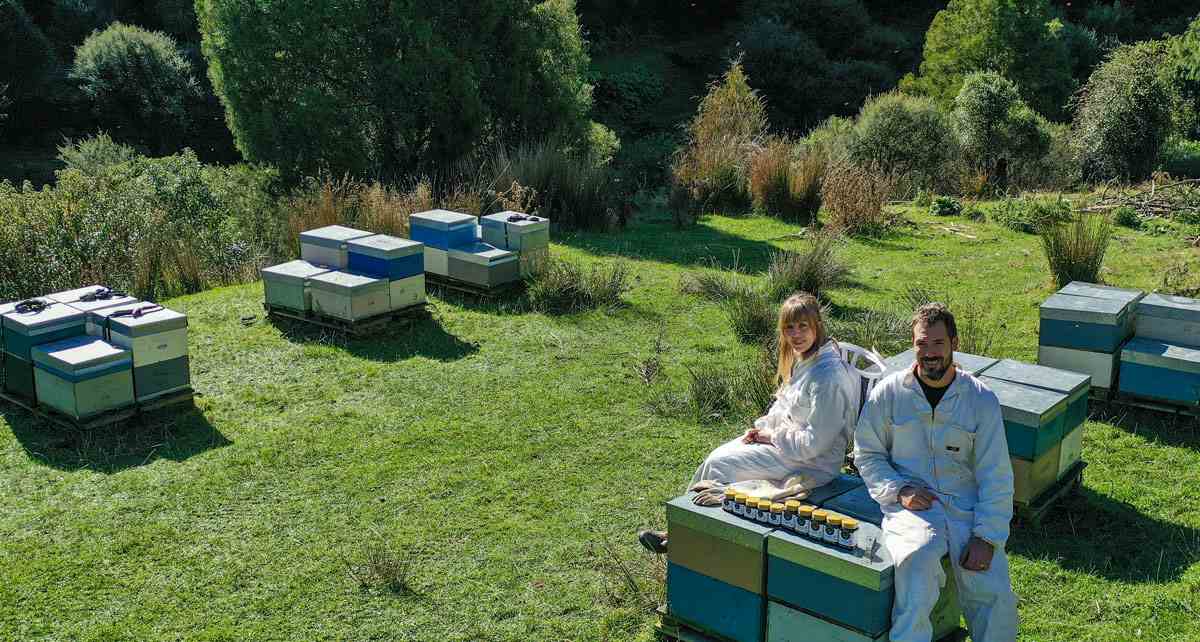
For thousands of years, honey has been known for its special properties. It has more recently been discovered that particular plants have a greater range of qualities than others. The honey that comes from some varieties of the New Zealand Manuka bush (Leptospermum Scoparium), such as those located on our farm, is one of these.
How do you know that Wilderness Valley is genuine Manuka Honey?
UMF™ logo found on our label assures consumers that our products are true to label and are independently tested for unique chemical markers found in Manuka honey. The key chemical markers being DHA, MGO, and Leptosperin. We at Wilderness Valley decided that it was in the best interest of our customers to become part of the UMF™ association, as it is a reputable trademark that provides greater consumer protection thanks to its rigorous scientific analysis that accurately measures both purity and quality of Manuka honey. This advanced grading system, with UMF™ 5+ being the lower end and UMF™15+ being the higher end, incorporates a range of unique signature compounds characteristic of genuine Manuka honey and is readily validated in all key markets.
What does the UMF™ grading system indicate?
UMF™ stands for Unique Manuka Factor. This is used to specify the unique composition present in Manuka honey that is not in any other types of honey. UMF™ is trademarked by the Unique Manuka Factor Honey Association.
What is the meaning of UMF 8+, UMF 10+, UMF 15+?
The UMF™ grading system has two components which are expressed on any UMF™ licenced honey product: • The label claim that it is Manuka honey • The number, which represents three chemical markers that indicate the content of the honey to ensure purity and quality. This includes the key manuka markers DHA, MGO, and Leptosperin. For more information visit www.umf.org.nz/grading-system
What is MGO (Methylglyoxal)?
MGO is a naturally occurring chemical compound that is used to measure the anti-bacterial level of Manuka honey. The well studied antibacterial effects of Manuka honey support our wellbeing. Medical grade Manuka honey is even used to help heal cuts, burns and wounds in hospitals around the globe. Unfortunately, MGO can also be produced synthetically. This is the reason Wilderness Valley uses the UMF™ testing and certification to ensure our honey’s purity and authenticity.
Why does Honey colour and texture vary?
Honey is a natural product influenced by seasonal and regional conditions. Some areas produce paler honey than others. Like a good wine, honey can grow in flavour and may darken with age.
Is there anything added to Wilderness Valley Manuka honey?
Honey produced and offered by Wilderness Valley is 100% pure with nothing added to it.
Is Wilderness Valley Manuka honey from New Zealand?
Yes, Wilderness Valley Manuka honey is 100% sourced and produced in New Zealand.
Does Manuka Honey expire?
Honey doesn't really 'expire' any time soon. As long as it is stored properly and not exposed to too much heat, then our honey will be good for several years. Some products that are mixtures of manuka honey and something else may well expire earlier.
How is Manuka Honey produced?
UMF™ rated Manuka honey is produced by honey bees when they collect nectar from the flowers of the Manuka bush, Leptospermum scoparium. Manuka is dense honey so we use a machine called a ‘pricker’ to prick into each individual cell of a honey frame to get all the Manuka honey out. This natural resource is then extracted from the honeycomb using special centrifuge machinery. Honeycombs are loaded into our centrifuge machine that spins the contents causing the honey to separate from the wax comb. This process retains the natural qualities of the honey.
Can I take Manuka honey if I am a diabetic?
Nectar from plants is the sugar source for honey. It is collected by bees, stored and ripened in the hive. The resulting honey is rich in natural fructose and glucose. Diabetics should consult their healthcare professional before consuming honey.
Is it safe to consume Manuka honey during pregnancy?
Manuka honey has been taken by pregnant women for many years with no reported problems.
Can children take Manuka honey?
It is recommended that honey should not be consumed by children under the age of one year.
Why is Manuka honey more expensive than other honeys?
Manuka honey is unique to New Zealand and it is difficult for beekeepers to collect pure Manuka honey from wild country hills, often with no easy road access. Manuka honey also has a limited harvest period that is vastly dependant on the weather. The unique properties of Manuka honey are also much appreciated by consumers around the world, hence its continuously high level of demand.
Why does most New Zealand Manuka Honey come in plastic rather than glass jars?
Plastic jars are most common because there is less risk of product damage while being shipped internationally. Also plastic is not a safety risk like a glass jar is. New Zealand Manuka honey jars are produced using pharmaceutical grade plastic, which is higher than food grade plastic, to ensure the highest quality storage of the very special honey. It is also much better for the environment from a carbon footprint perspective - and this matters a great deal when we export the vast majority of the Manuka honey we produce by airfeight direct to Germany.
The Glass Vs Plastic carbon footprint perspective
So is glass worse than plastic? It basically comes down to weight and energy use. Plastic is really light and strong, meaning much less of it is needed to package products. Glass needs to be thicker to reach the same performance level and is therefore heavier. Next time you’re in the supermarket head to the cereal aisle and check out the 400g granola in plastic and glass (being careful not to drop the glass one). The dramatic difference in weight is because that glass jar and lid weighs 385g in comparison to the 20g plastic pouch. That’s 19 times the weight of the plastic!So why does weight matter? Weight basically equals fuel and energy consumption. Higher consumption means higher emissions and therefore worse global warming impacts. Every time that glass jar travels it uses a lot more fuel than the plastic pouch. That isn’t even taking into account the energy required to heat glass to its over 1000°C melting point. This compares to the 160-200°C needed for plastic packaging materials. Glass also beats out plastic for environmental damage in other areas. Glass uses more water to make and process. It also has higher acidification and eutrophication potential. Overall single-use plastic is less harmful for the environment than single-use-glass. Before jumping on the bandwagon make sure you consider all the impacts of your purchasing decisions. Not just those at the end of life.

Our Certified Origin
Featured Product


Featured Product